In today’s eco-conscious world, energy efficiency in building design is a fundamental approach to sustainable development. This post explores practical strategies for incorporating energy efficiency into building designs, emphasising the benefits and key methodologies.
Energy-efficient building design focuses on reducing energy consumption and minimising environmental impact.
Insulation Improvements: Enhancing wall, floor, and roof insulation to retain heat and cool air.
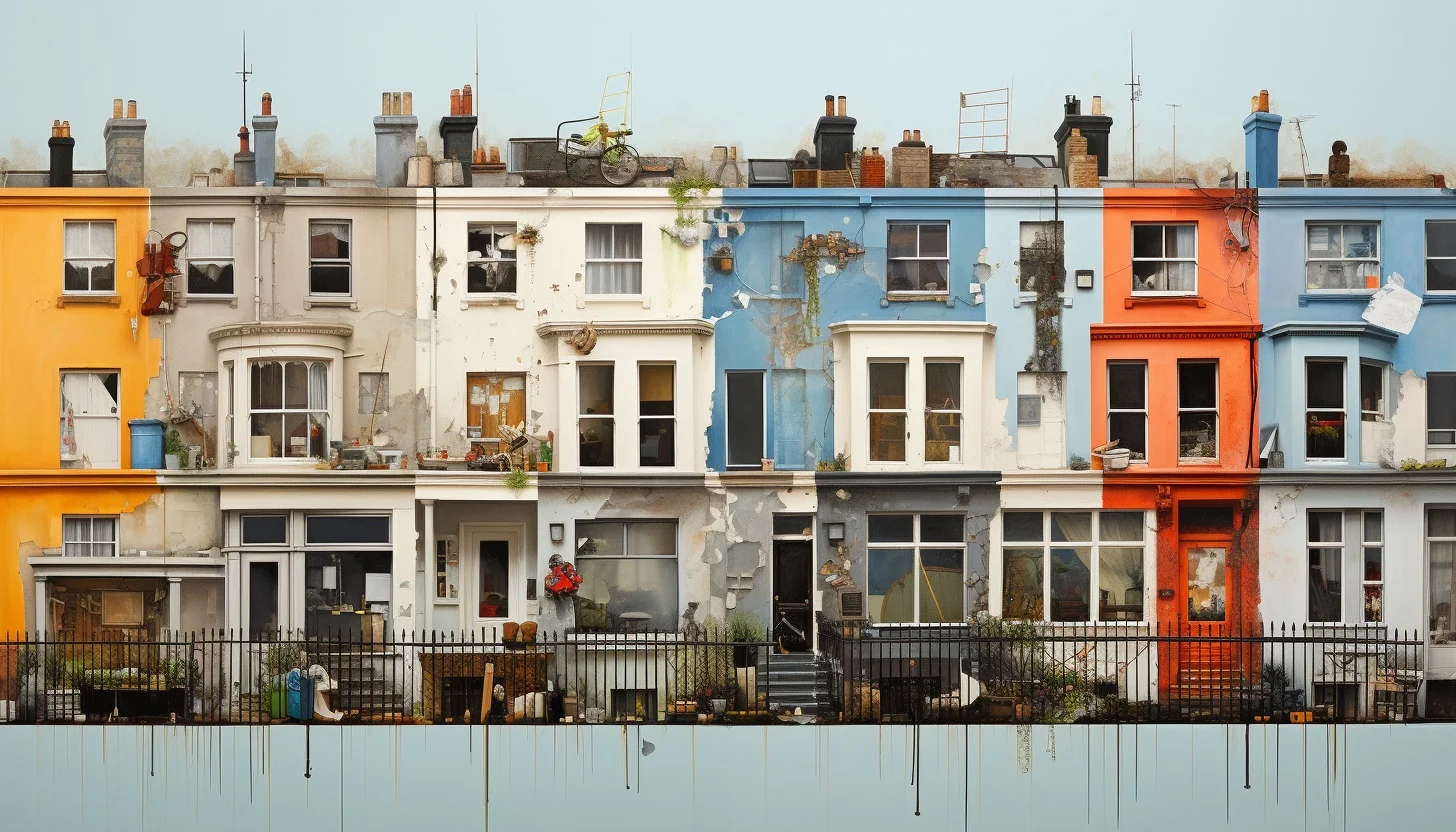
Energy-Efficient Windows: Installing double or triple-glazed windows to reduce energy loss.
Solar Energy Solutions: Integrating solar panels to harness renewable energy and reduce dependence on non-renewable resources.
Smart Thermostats: These devices allow for automated and optimised climate control, significantly reducing energy wastage.
LED Lighting: Replacing traditional bulbs with LED lighting uses less energy and lasts longer.
Cost Reduction: Lower energy consumption translates into significantly reduced utility bills.
Environmental Impact: Reduced carbon footprint and less strain on non-renewable energy resources.
Market Value: Energy-efficient buildings enjoy higher market values due to their sustainable features.
Incorporating energy efficiency into building design is essential for sustainable development. By adopting advanced materials, technologies, and strategies, architects and builders can create cost-effective and environmentally friendly environments.